

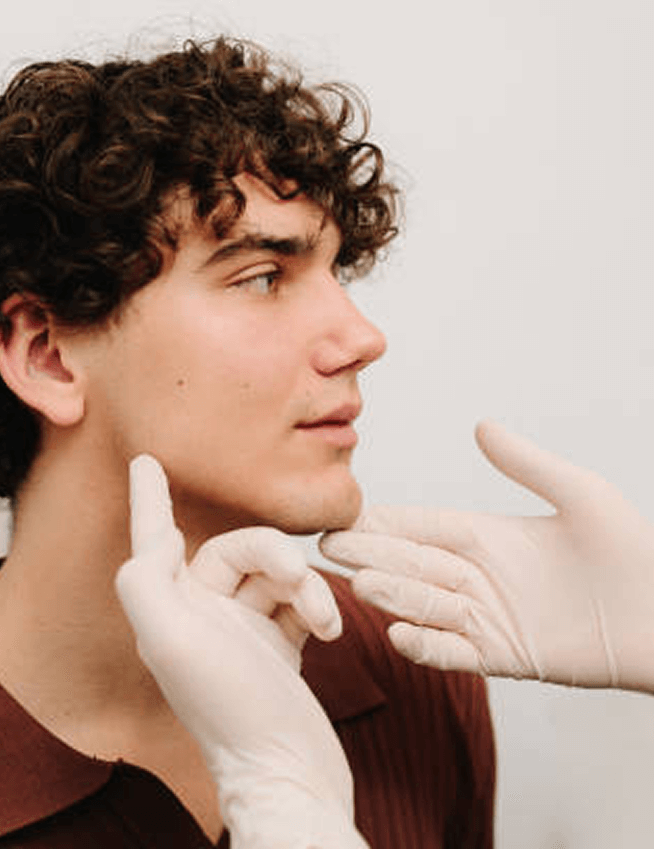
TMJ Treatment in Manhattan
Jaw Pain & Sleep Apnea Relief


Chronic jaw pain, persistent headaches, clicking sounds when you open your mouth, and disrupted sleep—these symptoms can dramatically affect your daily life and leave you feeling exhausted and frustrated. If you’re struggling with these issues, you may be dealing with TMJ disorder, a condition affecting the temporomandibular joint that connects your jaw to your skull.
At Living Art Dentistry, our Manhattan TMJ specialists understand how debilitating jaw dysfunction can be. Located at 25 Central Park West, we serve patients from the Upper West Side, Upper East Side, Midtown, and Morningside Heights with effective, non-invasive TMJ treatment that addresses both symptoms and underlying causes. Dr. Bela and Dr. Garry Levingart have been helping Manhattan residents find relief from TMJ pain for over 30 years, combining advanced diagnostic technology with personalized treatment plans that restore comfort and function.
Get the relief you deserve—right here in Manhattan.
What Is TMJ and How Does It Affect You?
TMJ stands for temporomandibular joint—the hinge-like joint on each side of your face that connects your lower jaw to your skull. When this joint becomes inflamed, misaligned, or damaged, it causes TMD (temporomandibular disorders), commonly referred to as TMJ disorder.
How TMJ disorders affect your life:
Jaw function:
- Difficulty opening your mouth wide
- Clicking, popping, or grinding sounds during jaw movement
- Jaw locking or getting stuck in open or closed position
- Pain when chewing, talking, or yawning
- Limited range of motion
Sleep quality:
- Disrupted sleep from jaw discomfort
- Teeth grinding (bruxism) during sleep
- Sleep apnea symptoms worsened by jaw positioning
- Waking with jaw tension or facial pain
- Chronic fatigue despite sleeping
Headaches and migraines:
- Tension headaches, especially in the temples
- Morning headaches upon waking
- Migraines triggered by jaw tension
- Pain radiating to neck and shoulders
Daily comfort:
- Facial pain or tenderness
- Ear pain without infection
- Difficulty concentrating due to chronic pain
- Self-consciousness about jaw clicking sounds
- Impact on work productivity and social activities
Our TMJ dysfunction dentist Manhattan team understands that these symptoms don’t just cause physical discomfort—they affect your quality of life, relationships, and overall wellbeing.
Signs You May Need TMJ Treatment
Recognizing the symptoms of TMJ disorder is the first step toward getting relief. Watch for these common warning signs:
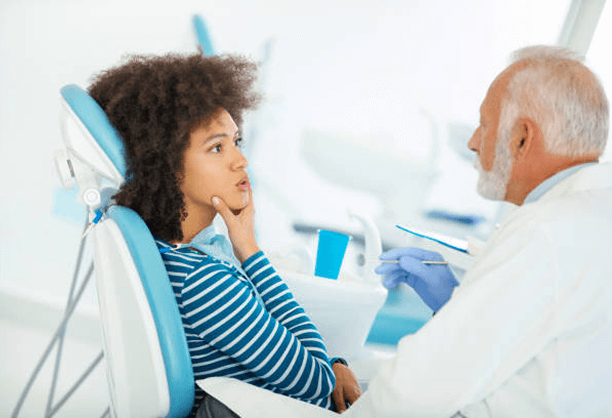
Clicking or popping in the jaw:
- Audible sounds when opening or closing your mouth
- May or may not be accompanied by pain
- Often occurs on one or both sides
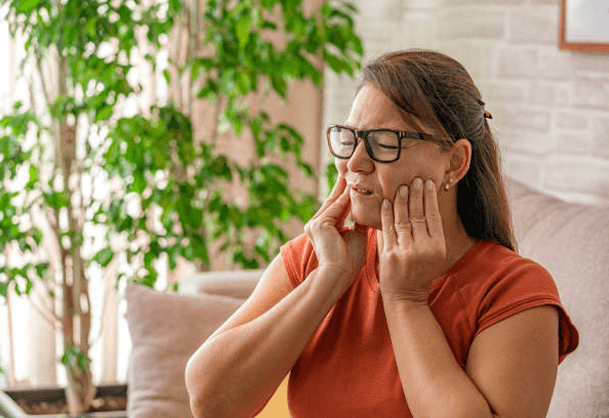
Jaw locking or stiffness:
- Temporary inability to fully open or close your mouth
- Feeling like your jaw is “stuck”
- Difficulty moving your jaw from side to side
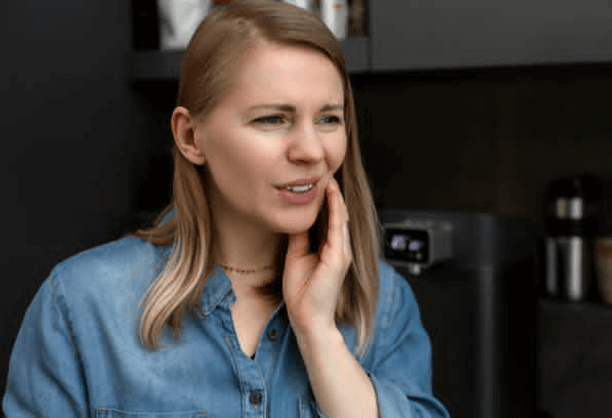
Facial pain or pressure:
- Aching around the jaw joint
- Tenderness in front of the ears
- Pain that worsens with jaw movement

Chronic headaches or neck pain:
- Frequent tension headaches
- Pain in temples, forehead, or behind eyes
- Neck and shoulder tension
- Upper back discomfort
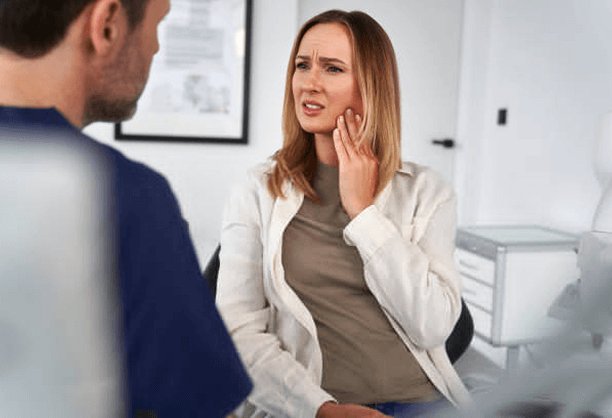
Earaches or tinnitus:
- Ear pain without infection
- Feeling of fullness in the ears
- Ringing in the ears (tinnitus)
- Hearing changes or sensitivity

Trouble sleeping or waking up tired:
- Difficulty falling or staying asleep
- Waking with jaw soreness
- Teeth grinding during sleep
- Snoring or sleep apnea symptoms
- Chronic fatigue despite rest
If you’re experiencing multiple symptoms, jaw pain treatment NYC with specialized care can help you find relief and prevent the condition from worsening.
Our TMJ Treatment Options in Manhattan
We emphasize non-invasive, patient-focused care that addresses the root cause of your TMJ disorder rather than just masking symptoms.
Oral Appliance Therapy
Custom-fitted oral appliances are one of the most effective treatments for TMJ disorders. These devices, worn during sleep, gently reposition your jaw to reduce strain on the temporomandibular joint.
How oral appliance therapy Manhattan works:
- Custom-made to fit your teeth precisely
- Repositions lower jaw to optimal alignment
- Reduces muscle tension and joint stress
- Prevents teeth grinding (bruxism)
- Improves airway positioning for better breathing
Many patients experience significant relief within weeks of starting oral appliance therapy. The devices are comfortable, portable, and far less invasive than surgical options.
Bite Alignment and Adjustment
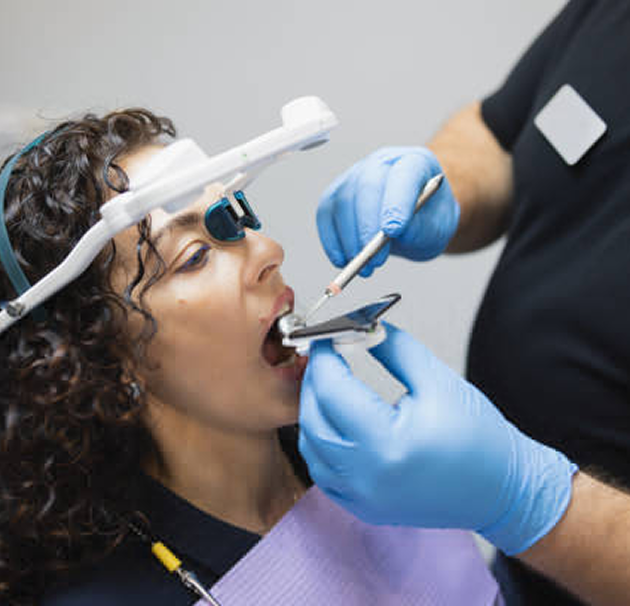
When bite misalignment contributes to TMJ dysfunction, we can correct the problem through equilibration (bite adjustment) or orthodontic treatment. By ensuring your teeth come together properly, we eliminate the uneven forces that strain the temporomandibular joint.
Treatment options include:
- Selective reshaping of tooth surfaces
- Orthodontic treatment like Invisalign
- Restorative work to rebuild worn teeth
- Adjusting existing dental work
Night Guards for Bruxism
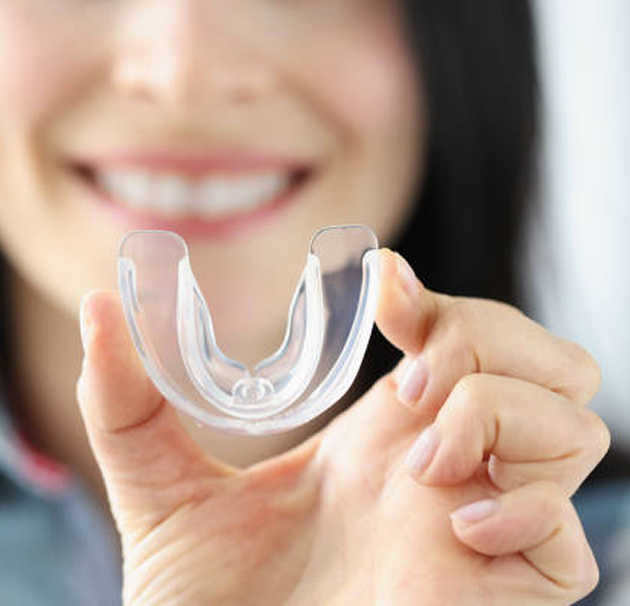
Teeth grinding and clenching—often occurring during sleep—are major contributors to TMJ disorder. Custom night guards protect your teeth from grinding damage while reducing the muscle tension that causes jaw pain.
Benefits of professional night guards:
- Custom-fitted for comfort and effectiveness
- Durable materials that last years
- Prevents tooth wear and damage
- Reduces jaw muscle tension
- More effective than over-the-counter options
TMJ Sleep Apnea Relief
Many patients don’t realize their jaw position affects their breathing during sleep. TMJ disorders and sleep apnea often occur together, creating a cycle of poor sleep and worsening symptoms.
The TMJ-sleep apnea connection:
When your jaw is positioned incorrectly or tense, it can narrow your airway, contributing to:
- Obstructive sleep apnea
- Loud snoring
- Gasping or choking during sleep
- Morning headaches
- Excessive daytime fatigue
Our TMJ sleep apnea Manhattan treatment uses custom oral appliances that simultaneously address jaw dysfunction and improve airway positioning. This dual approach helps many patients achieve better sleep quality and reduced TMJ symptoms.
Why Choose Our Manhattan TMJ Specialists?
When dealing with chronic pain and sleep disruption, you need a team with proven expertise and genuine commitment to your wellbeing.

Years of Experience and Clinical Success
Dr. Bela and Dr. Garry Levingart have been treating complex TMJ cases in Manhattan for over 30 years. Their extensive experience means they’ve successfully helped hundreds of patients overcome TMJ dysfunction, mastering the diagnostic skills and treatment approaches that lead to lasting relief.
Patient-First Approach and Personalized Treatment Plans
Dr. Garry’s philosophy—”Every person who comes through our doors is important. I want them to feel that”—guides our approach to TMJ care. We don’t believe in one-size-fits-all solutions. Instead, we take time to understand your specific symptoms, lifestyle, and goals, then create a customized treatment plan that addresses your unique situation.
Integration of Sleep Dentistry and Neuromuscular Focus
We understand that TMJ disorders rarely exist in isolation. Our comprehensive approach considers:
- Sleep quality and breathing disorders
- Muscle tension and trigger points
- Bite alignment and tooth wear
- Stress and lifestyle factors
- Overall oral and systemic health
This holistic perspective ensures we address all contributing factors, not just surface symptoms.
Use of Advanced Diagnostic Tools
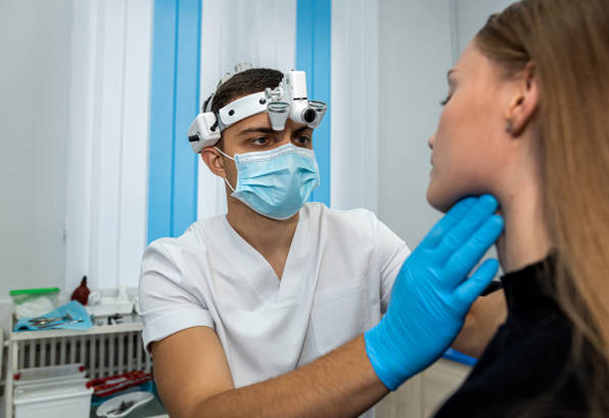
We utilize cutting-edge technology to accurately diagnose TMJ disorders:
- Digital imaging to assess joint structure
- Bite analysis to evaluate jaw alignment
- 3D scanning for precise appliance fabrication
- Comprehensive evaluation of muscle tension and trigger points

Manhattan Location Convenience
Our Central Park West location is easily accessible from the Upper West Side, Upper East Side, Midtown offices, and Morningside Heights via multiple subway lines. We’ve been part of this community for three decades, building relationships with the families we serve.
What to Expect During Your TMJ Consultation
Understanding the evaluation process helps you feel prepared and confident.
1. Comprehensive Examination:
Your appointment begins with a thorough assessment of your jaw function, bite, and symptoms. We’ll:
- Measure your jaw’s range of motion
- Listen for clicking or popping sounds
- Check for muscle tenderness and trigger points
- Evaluate your bite alignment
- Assess tooth wear patterns
2. Advanced Imaging (if needed):
Digital X-rays or 3D scans provide detailed views of your jaw joints and surrounding structures, helping us identify structural issues or damage.
3. Symptom Discussion:
We’ll discuss your symptoms in detail: when they started, what makes them better or worse, and how they’re affecting your daily life. Understanding your complete health history—including stress levels, sleep patterns, and any previous injuries—helps us identify all contributing factors.
4. Personalized Treatment Recommendation:
Based on our findings, we’ll explain your diagnosis clearly and recommend a customized treatment approach. We’ll discuss the pros and cons of each option, expected timeline, and answer all your questions before you make any decisions.
Contact our Manhattan dental team to schedule your TMJ evaluation today and get answers about what’s causing your pain.

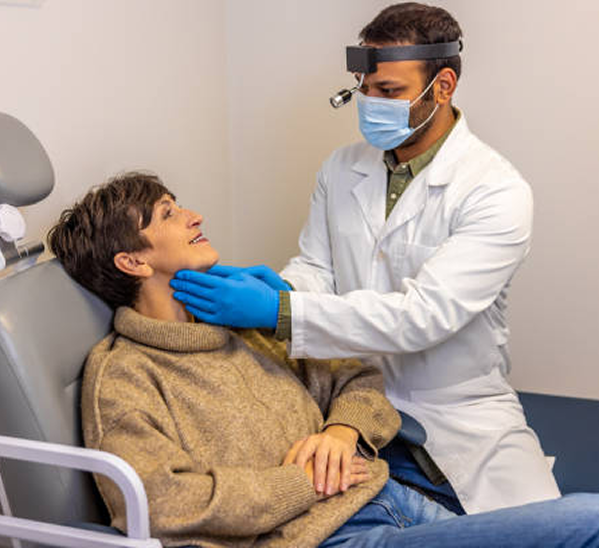
TMJ and Sleep Apnea – A Hidden Connection
Many people don't realize that jaw position significantly affects breathing during sleep. This connection between TMJ dysfunction and sleep disorders is crucial to understand.

How jaw misalignment obstructs breathing:
When your jaw is positioned too far back or when muscles are tense, your tongue and soft tissues can partially block your airway during sleep. This obstruction leads to:
- Reduced oxygen levels
- Frequent micro-awakenings (often unnoticed)
- Snoring and gasping
- Morning headaches
- Chronic fatigue
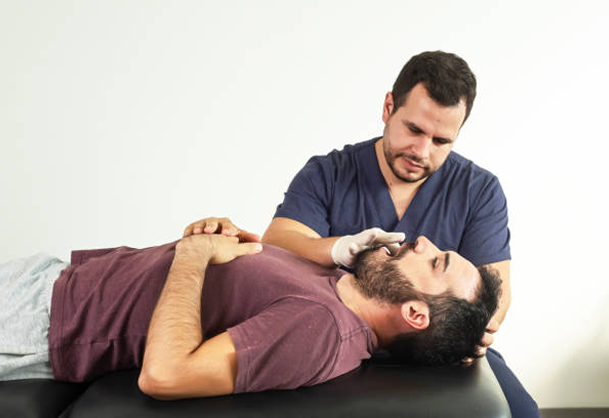
Signs your sleep issues may be TMJ-related:
- You snore loudly or your partner reports breathing pauses
- You wake feeling unrested despite sleeping 7-8 hours
- You experience morning jaw soreness along with fatigue
- You have both TMJ symptoms and sleep problems
- Traditional CPAP therapy hasn’t fully resolved your issues

How oral appliances help both conditions:
Custom oral appliances designed for TMJ and sleep issues can:
- Reposition your jaw to optimal alignment
- Keep your airway open during sleep
- Reduce muscle tension that contributes to both problems
- Improve sleep quality while relieving TMJ symptoms
- Provide an alternative to CPAP for mild to moderate sleep apnea
Addressing TMJ and sleep issues together often produces dramatically better results than treating either condition in isolation.
Serving the Manhattan Community
We’re proud to have been part of the Manhattan community for over 30 years, serving patients from neighborhoods throughout the borough:
- Upper West Side
- Upper East Side
- Midtown
- Morningside Heights
- Lincoln Square
- Columbus Circle
- Central Park West
- Hell’s Kitchen
- Murray Hill
Our Manhattan dental office combines convenient location with the expertise and compassionate care that have made Living Art Dentistry a trusted name in TMJ treatment.

Frequently Asked Questions About Teeth Whitening
Yes, but it requires careful management. If you have sensitive teeth, we can use lower-concentration whitening agents, apply desensitizing treatments before and after whitening, or recommend gradual whitening with take-home trays. We customize your treatment to minimize discomfort while still achieving excellent results. Most patients with sensitivity find professional whitening more comfortable than expected.
Yes, but it requires careful management. If you have sensitive teeth, we can use lower-concentration whitening agents, apply desensitizing treatments before and after whitening, or recommend gradual whitening with take-home trays. We customize your treatment to minimize discomfort while still achieving excellent results. Most patients with sensitivity find professional whitening more comfortable than expected.
Yes, but it requires careful management. If you have sensitive teeth, we can use lower-concentration whitening agents, apply desensitizing treatments before and after whitening, or recommend gradual whitening with take-home trays. We customize your treatment to minimize discomfort while still achieving excellent results. Most patients with sensitivity find professional whitening more comfortable than expected.
Yes, but it requires careful management. If you have sensitive teeth, we can use lower-concentration whitening agents, apply desensitizing treatments before and after whitening, or recommend gradual whitening with take-home trays. We customize your treatment to minimize discomfort while still achieving excellent results. Most patients with sensitivity find professional whitening more comfortable than expected.
Yes, but it requires careful management. If you have sensitive teeth, we can use lower-concentration whitening agents, apply desensitizing treatments before and after whitening, or recommend gradual whitening with take-home trays. We customize your treatment to minimize discomfort while still achieving excellent results. Most patients with sensitivity find professional whitening more comfortable than expected.
Other Manhattan Dental Services
At Living Art Dentistry, we offer comprehensive dental care to keep your smile healthy and beautiful.
Dentures Manhattan
TMJ Treatment in Manhattan
Dental Bridges Manhattan
Teeth Whitening in Manhattan
Dental Implants Manhattan
Full Mouth Reconstruction manhattan
Invisalign Manhattan
Laser Dentistry manhattan
Porcelain Veneers Manhattan
Root Canal Treatment Manhattan
Cosmetic Dentistry Manhattan
Periodontist manhattan
Visit our Manhattan dentist page to learn more about our comprehensive services.

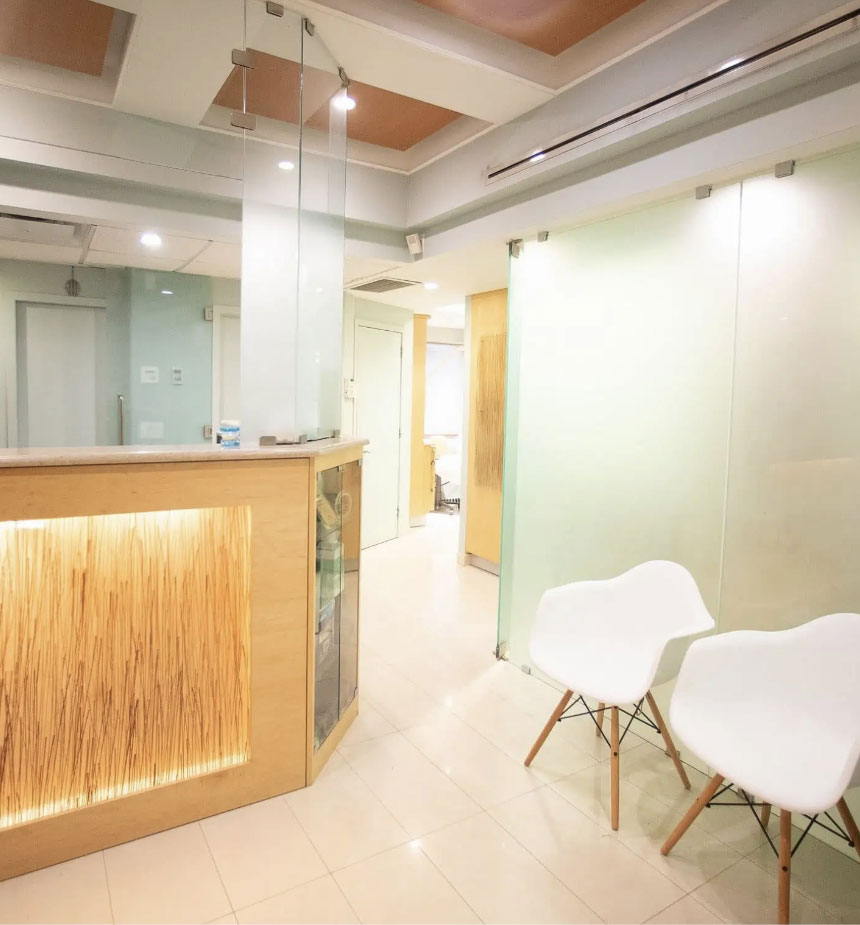


Schedule Your Consult with Dr Diana Today!
Schedule your consultation with Dr Diana today. We can’t wait to meet you!
718-834-9400
Schedule Your Consult with Dr Gary or Dr Bela Today!
We can’t wait to meet you!
(212) 581-0707