

TMJ Specialist in Brooklyn
for Jaw Pain, Grinding & Sleep Relief

159 Smith Street, Brooklyn, NY 11201

718-834-9400

503 Google Reviews
Chronic jaw pain, persistent headaches, clicking sounds when you open your mouth, teeth grinding at night—these symptoms can disrupt your daily life and leave you feeling frustrated and exhausted. If you’re struggling with these issues, you may be dealing with TMJ disorder, a condition that affects the temporomandibular joint connecting your jaw to your skull.
At Living Art Dentistry, our Brooklyn TMJ specialists understand how debilitating jaw dysfunction can be. Our Brooklyn dental office proudly serves patients from Cobble Hill, Boerum Hill, Brooklyn Heights, and Carroll Gardens, offering personalized treatment plans that address the root cause of your discomfort. For over 30 years, we’ve helped Brooklyn residents find relief from TMJ pain, restore restful sleep, and improve their overall quality of life. Dr. Diana Levingart’s background in the psychology of dental anxiety and holistic wellness makes her particularly attuned to the stress-related factors that often contribute to TMJ disorders.
Schedule your consultation today and take the first step toward lasting relief.
What Is TMJ Disorder (TMD)?
TMJ stands for temporomandibular joint—the hinge-like joint on each side of your face that connects your lower jaw to your skull. When this joint becomes inflamed, misaligned, or damaged, it causes a condition known as TMD (temporomandibular joint dysfunction) or simply TMJ disorder.
Common symptoms of TMJ disorder include:
Store-bought whitening products might save you money upfront, but they often create more problems than they solve:
- Jaw clicking, popping, or grinding sounds when opening or closing your mouth
- Lockjaw or limited jaw movement
- Facial pain or tenderness around the jaw joint
- Chronic headaches or migraines, especially in the morning
- Earaches or a feeling of fullness in the ears
- Neck and shoulder pain
- Difficulty chewing or pain when eating
- ooth sensitivity or worn teeth from grinding
TMJ jaw pain Brooklyn residents experience can range from mild discomfort to severe, debilitating pain that affects every aspect of daily life. Left untreated, TMD symptoms often worsen over time, leading to more serious complications like permanent joint damage, chronic pain conditions, and disrupted sleep patterns.
Early intervention is key to preventing long-term damage and restoring normal jaw function.
Causes of TMJ Disorder
Understanding what triggers TMJ dysfunction helps us develop effective treatment strategies tailored to your specific situation.
Bruxism (Teeth Grinding and Clenching)
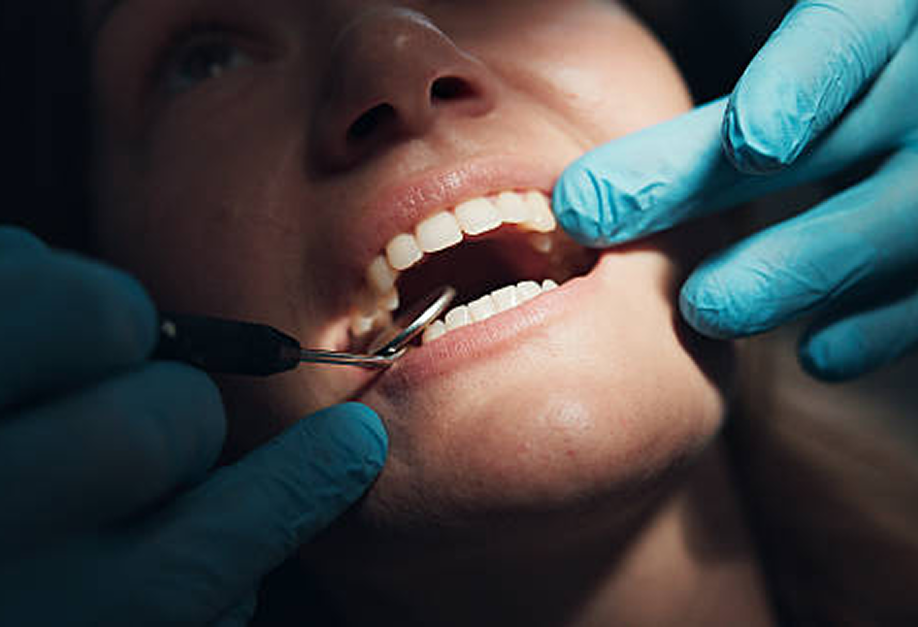
One of the most common causes of TMJ disorder is bruxism—the habitual grinding or clenching of teeth, often during sleep. This constant pressure strains the jaw muscles and joints, leading to inflammation, pain, and eventual joint damage. Many people don’t even realize they grind their teeth until a partner mentions it or a dentist notices the wear patterns on their teeth.
Bruxism treatment Brooklyn specialists can provide custom night guards that protect your teeth and relieve pressure on the TMJ.

Stress and Anxiety
Emotional stress causes many people to unconsciously clench their jaw or tighten facial muscles throughout the day. This chronic tension overworks the temporomandibular joint and surrounding muscles, creating pain and dysfunction. The connection between stress and TMJ is so strong that addressing stress management often becomes a crucial part of treatment.

Misaligned Bite or Jaw Trauma
An improper bite (malocclusion) forces your jaw to work harder and in unnatural positions, gradually wearing down the joint. Similarly, trauma from an accident, sports injury, or blow to the face can damage the TMJ or surrounding structures, leading to chronic dysfunction.

Arthritis in the Jaw Joint
Both osteoarthritis and rheumatoid arthritis can affect the temporomandibular joint, causing inflammation, pain, and reduced mobility. While arthritis-related TMJ is less common than other causes, it requires specialized treatment approaches.
If you’re searching for a teeth grinding doctor Brooklyn or need help identifying the source of your jaw pain, our comprehensive evaluation will pinpoint the underlying cause.
Signs You May Need a TMJ Specialist
TMJ disorder manifests differently for each person, but certain symptoms are clear indicators that you should seek professional evaluation.
Physical Symptoms
Watch for these telltale physical signs:
- Jaw stiffness or limited range of motion: Difficulty opening your mouth wide or feeling like your jaw is "stuck"
- Popping, clicking, or grinding sounds: Audible noises when you move your jaw, even if they're not painful
- Pain when chewing, yawning, or talking: Discomfort during normal jaw activities
- Morning headaches: Waking up with tension headaches or migraines, especially around the temples
- Facial soreness or tenderness: Aching around the jaw, cheeks, or in front of the ears
- Tooth wear or sensitivity: Flattened, chipped, or worn teeth from grinding
- Ear pain without infection: Earaches that aren't caused by ear infections

Sleep-Related Symptoms
TMJ disorders often have a significant impact on sleep quality:
- Disrupted sleep: Waking frequently during the night due to jaw discomfort
- Grinding sounds at night: A partner reporting that you grind or clench your teeth while sleeping
- Waking with jaw tension or pain: Starting your day with a tight, sore jaw
- Fatigue despite sleeping: Feeling tired even after a full night's rest due to poor sleep quality
- Sleep apnea symptoms: Snoring, gasping, or breathing interruptions that may be related to jaw positioning

Our TMJ Treatment Options in Brooklyn
We offer a comprehensive range of treatments designed to relieve pain, restore function, and address the underlying causes of your TMJ disorder.
Custom Night Guards for Bruxism
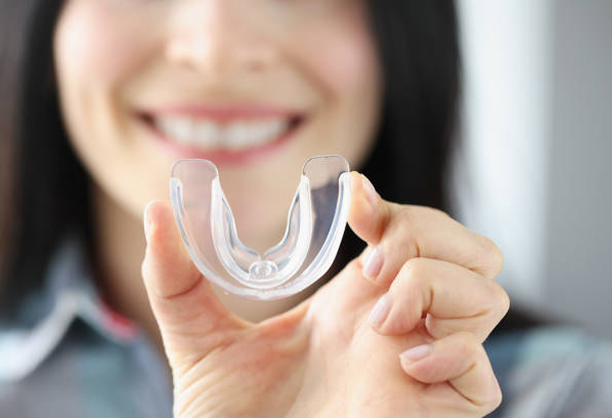
For patients whose TMJ symptoms stem from teeth grinding or clenching, custom-fitted night guards provide immediate relief. Unlike over-the-counter options, our laboratory-crafted guards fit precisely to your teeth, providing comfortable protection that prevents grinding damage while relieving pressure on the jaw joint.
Bite Adjustment and Orthodontic Treatment
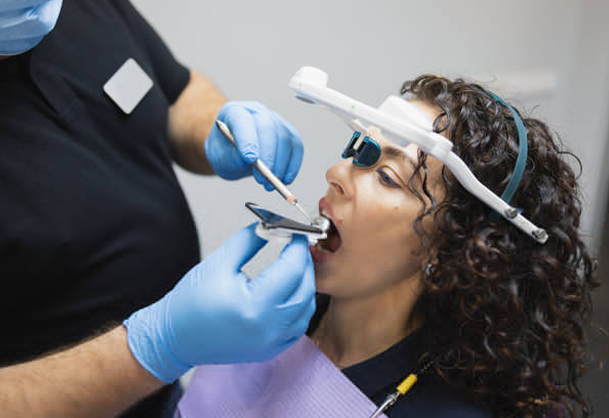
When bite misalignment contributes to TMJ dysfunction, we can correct the problem through bite adjustment (equilibration) or orthodontic treatment like Invisalign. By ensuring your teeth come together properly, we eliminate the uneven forces that strain the temporomandibular joint.

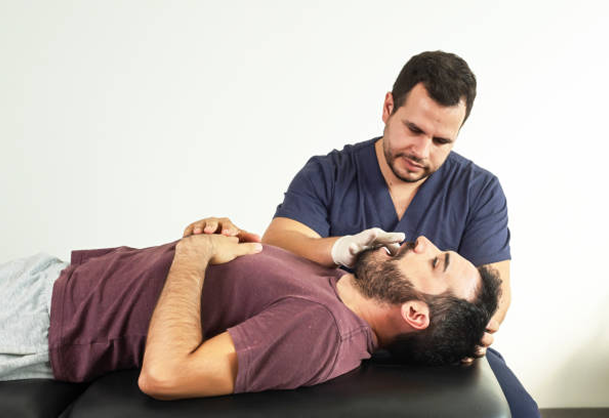
Physical Therapy and Jaw Exercises
Targeted exercises strengthen jaw muscles, improve range of motion, and promote healing. We’ll teach you specific stretches and techniques you can perform at home to complement your in-office treatment. Physical therapy for TMJ can dramatically reduce pain and prevent future flare-ups.
Oral Appliance Therapy
For patients with sleep-related TMD or mild sleep apnea, custom oral appliances can reposition the jaw during sleep, keeping airways open and reducing strain on the TMJ. These devices are particularly effective for patients whose TMJ symptoms worsen at night.

Stress Management and Lifestyle Guidance
Since stress plays a significant role in many TMJ cases, we provide guidance on stress reduction techniques, relaxation exercises, and lifestyle modifications that support jaw health. Dr. Diana’s expertise in holistic wellness and the psychology of anxiety makes her particularly effective at helping patients address the mind-body connection in TMJ disorders.
TMJ treatment Brooklyn options we provide are always personalized to your specific symptoms, lifestyle, and goals. TMJ therapy Brooklyn patients receive in our office focuses on long-term relief, not just temporary symptom management.
Why Choose Our Brooklyn TMJ Specialists?
When you're dealing with chronic pain and sleep disruption, you need a team with both expertise and compassion.
Expertise & Advanced Technology
Our Brooklyn practice utilizes cutting-edge diagnostic technology to accurately assess TMJ disorders:
- Digital imaging and 3D scanning: to evaluate joint structure and bite alignment
- Bite analysis technology: that measures jaw movement and identifies dysfunction
- Comprehensive evaluation protocols: that consider all potential contributing factors
Dr. Bela and Dr. Garry Levingart bring over 30 years of experience diagnosing and treating complex dental issues, including TMJ disorders. Dr. Diana Levingart’s specialized training in holistic dentistry and understanding of the anxiety-pain connection ensures a comprehensive approach to your care.

Patient-Centered Care
We understand that TMJ disorder affects more than just your jaw—it impacts your sleep, your stress levels, your ability to eat comfortably, and your overall quality of life. That’s why we take the time to:
- Listen carefully to your symptoms and concerns
- Educate you about your condition and treatment options
- Create personalized treatment plans that fit your lifestyle and budget
- Provide ongoing support throughout your healing journey
- Address both the physical and emotional aspects of chronic pain
As your TMJ dentist in Brooklyn, we’re committed to helping you achieve lasting relief and improved wellbeing.

How TMJ Affects Your Sleep & Health
The connection between TMJ disorders and sleep problems is more significant than many people realize.
The TMJ-Sleep Connection
When your jaw is misaligned or tense, it can affect the positioning of your airway during sleep. This is particularly problematic for people who sleep on their backs, as jaw tension can contribute to airway obstruction. Many patients with TMJ disorder also experience symptoms of sleep apnea, including:
- Loud snoring
- Gasping or choking during sleep
- Morning headaches
- Excessive daytime fatigue
- Difficulty concentrating
Sleep apnea TMJ Brooklyn patients often don’t realize these conditions are connected. Treating the TMJ dysfunction can sometimes improve sleep apnea symptoms, and vice versa.
Broader Health Implications
Chronic TMJ disorder and poor sleep don’t just make you tired—they can affect your overall health:
- Cardiovascular strain: Sleep apnea and chronic stress increase risk of high blood pressure and heart problems
- Mental health impact: Chronic pain and sleep deprivation contribute to anxiety and depression
- Reduced immune function: Poor sleep weakens your body's ability to fight illness
- Cognitive impairment: Difficulty concentrating, memory problems, and reduced productivity
- Chronic pain conditions: TMJ pain can trigger or worsen tension headaches, migraines, and neck pain
Addressing TMJ disorder isn’t just about relieving jaw pain—it’s about protecting your long-term health and quality of life.
What to Expect During Your Consultation
We make the evaluation process thorough yet comfortable, ensuring we understand the full scope of your condition.
1. Comprehensive Exam
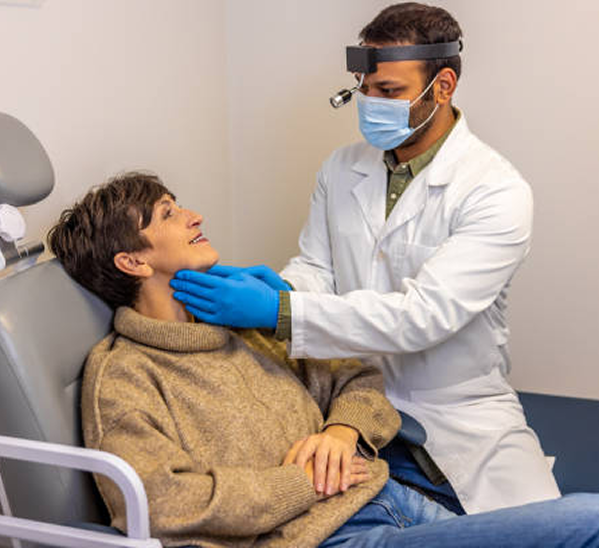
Your initial appointment includes a detailed examination of your jaw joint, bite alignment, teeth, and surrounding muscles. We'll check for clicking sounds, measure your jaw's range of motion, and look for signs of teeth grinding or clenching.
2. Medical History Review
We'll discuss your symptoms in detail: when they started, what makes them better or worse, and how they're affecting your daily life. Understanding your complete health history—including stress levels, sleep patterns, and any previous injuries—helps us identify contributing factors.
3. Diagnostic Imaging
If needed, we'll take digital X-rays or 3D scans to visualize the structure of your temporomandibular joint and identify any abnormalities or damage.
4. Personalized Treatment Recommendation
Based on our findings, we'll explain your diagnosis in clear, understandable terms and recommend a customized treatment plan. We'll discuss the pros and cons of each option, timeline expectations, and answer all your questions before you make any decisions.
Book your TMJ evaluation in Brooklyn today and get answers about what's causing your pain.

Frequently Asked Questions
With good oral hygiene and lifestyle habits, professional teeth whitening typically lasts 6-12 months. Some patients maintain their results for up to two years. Factors that affect longevity include your diet, smoking habits, and home care routine. Touch-up treatments with take-home kits can extend your results indefinitely.
Most patients complete their Invisalign treatment in 12 to 18 months, though some cases may take less time or slightly longer depending on the complexity of the alignment issues. During your consultation, we’ll give you a personalized timeline based on your specific needs.
Most patients complete their Invisalign treatment in 12 to 18 months, though some cases may take less time or slightly longer depending on the complexity of the alignment issues. During your consultation, we’ll give you a personalized timeline based on your specific needs.
Most patients complete their Invisalign treatment in 12 to 18 months, though some cases may take less time or slightly longer depending on the complexity of the alignment issues. During your consultation, we’ll give you a personalized timeline based on your specific needs.
Most patients complete their Invisalign treatment in 12 to 18 months, though some cases may take less time or slightly longer depending on the complexity of the alignment issues. During your consultation, we’ll give you a personalized timeline based on your specific needs.
Other Brooklyn Dental Services
At Living Art Dentistry, we offer comprehensive dental care to keep your smile healthy and beautiful.
Invisalign Brooklyn
Dental Crowns Brooklyn
Dental implants Brooklyn
Dentures Brooklyn
Oral Surgeon Brooklyn
Porcelain Veneers Brooklyn
TMJ Specialist Brooklyn
Root Canal Treatment Brooklyn
Teeth Whitening Brooklyn
Laser Dentistry Brooklyn
Periodontist Brooklyn
Visit our Brooklyn dentist page to learn more about our comprehensive services.



Schedule Your Consult with Dr Diana Today!
Schedule your consultation with Dr Diana today. We can’t wait to meet you!
718-834-9400
Schedule Your Consult with Dr Gary or Dr Bela Today!
We can’t wait to meet you!
(212) 581-0707