


Dental Bridges in Manhattan
Restore Your Smile with Confidence


Missing teeth affect more than just your appearance—they make eating difficult, impact your speech, and cause remaining teeth to shift out of alignment. If you’re hiding your smile or struggling with basic functions like chewing, you don’t have to live with these challenges any longer.
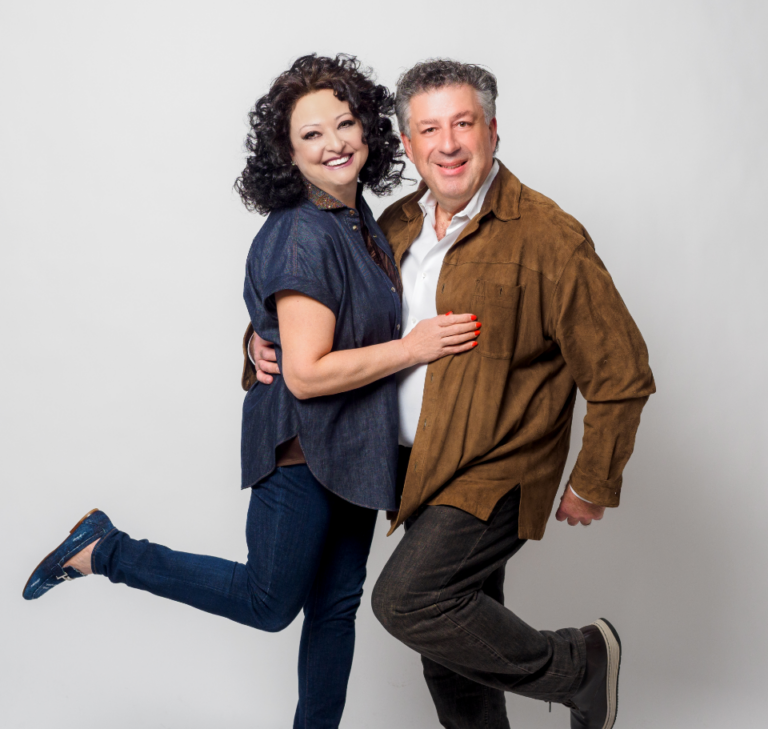
At Living Art Dentistry, we help Manhattan residents restore their smiles with custom dental bridges that look natural, feel comfortable, and function beautifully. Located at 25 Central Park West, we serve patients from the Upper West Side, Upper East Side, Midtown, and Morningside Heights with fixed tooth replacement solutions tailored to your specific needs. Dr. Bela and Dr. Garry Levingart have been creating beautiful, functional smiles for over 30 years, combining expert restorative dentistry with the warm, personalized care that makes every patient feel valued.
What Are Dental Bridges?
A dental bridge is a fixed prosthetic device designed to replace one or more missing teeth by literally “bridging” the gap between remaining natural teeth. Unlike removable dentures, bridges are permanently cemented in place, providing a stable, long-lasting solution that restores both function and appearance.
How they work:
A traditional bridge consists of one or more artificial teeth (called pontics) held in place by dental crowns attached to the natural teeth on either side of the gap. These supporting teeth, called abutment teeth, are prepared to receive crowns that anchor the entire bridge securely in your mouth.
Why bridges matter:
Beyond improving your smile’s aesthetics, dental bridges Manhattan treatments:
- Restore your ability to chew and speak properly
- Prevent remaining teeth from shifting into the empty space
- Maintain your facial structure and prevent sagging
- Distribute bite forces evenly across your teeth
- Boost confidence in your appearance
Modern bridges are crafted from high-quality materials that blend seamlessly with your natural teeth, making them virtually indistinguishable from the real thing.
Types of Dental Bridges We Offer
We provide multiple bridge options to suit different clinical situations and patient preferences.
Traditional Dental Bridges
Traditional bridges are the most common type, ideal when you have healthy natural teeth on both sides of the missing tooth (or teeth). We prepare the adjacent teeth by removing a small amount of enamel, then place crowns over them to support the bridge.
Benefits:
- Strongest and most durable option
- Suitable for replacing one or more consecutive teeth
- Typically last 10-15 years with proper care
- Can be made from various materials including porcelain, ceramic, or porcelain-fused-to-metal
Best for: Patients with strong, healthy teeth adjacent to the gap

Cantilever Bridges
When you only have natural teeth on one side of the missing tooth, a cantilever bridge provides a solution. The pontic is anchored to one or more adjacent teeth on just one side rather than both.
Benefits:
- Works when teeth are only present on one side
- Less invasive than some alternatives
- Durable when properly placed
Best for: Missing teeth at the back of the mouth where there’s only one adjacent tooth

Maryland Bonded Bridges
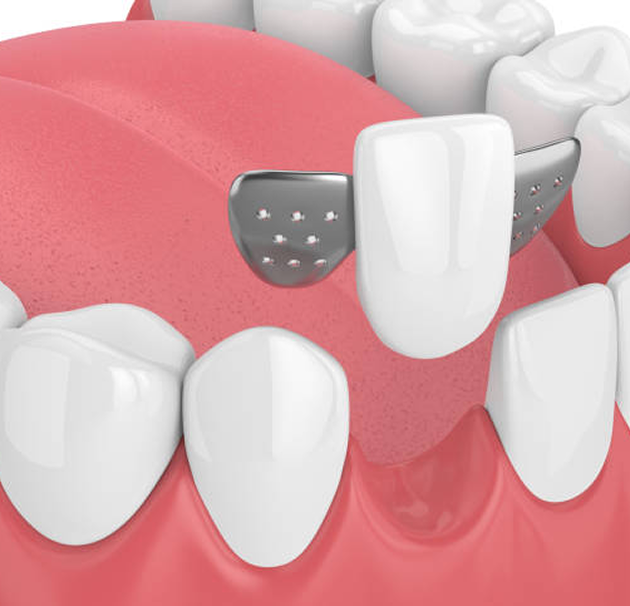
Also called resin-bonded bridges, Maryland bridges use a metal or porcelain framework that bonds to the backs of adjacent teeth with minimal tooth preparation. Instead of full crowns, the bridge has “wings” that attach to neighboring teeth.
Benefits:
- Preserves more natural tooth structure
- Less invasive than traditional bridges
- More conservative approach
- Good aesthetic results
Best for: Front teeth replacement when adjacent teeth are healthy and strong
Implant-Supported Bridges
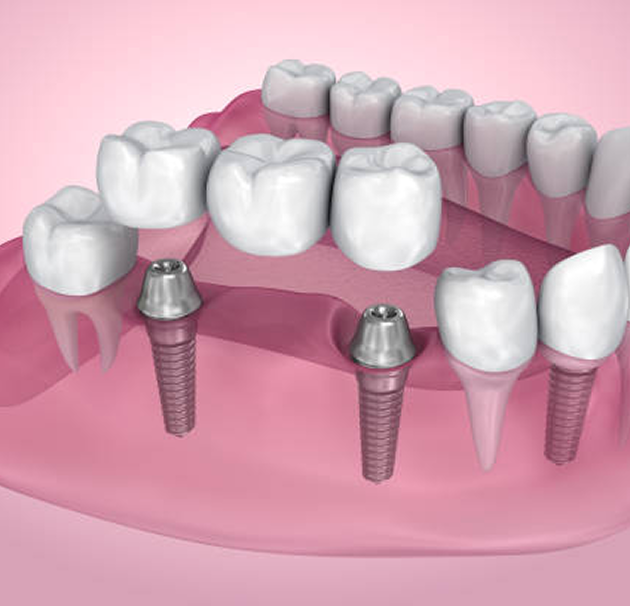
For patients missing multiple consecutive teeth, implant-supported bridges offer the most stable, long-lasting solution. Instead of relying on natural teeth for support, the bridge is anchored to dental implants surgically placed in the jawbone.
Benefits:
- Doesn’t require altering healthy adjacent teeth
- Prevents bone loss in the jaw
- Extremely stable and durable
- Can last 15-20+ years
- Feels most like natural teeth
Best for: Patients with multiple missing teeth who want the most permanent solution and have adequate bone density
Who Needs a Dental Bridge?
Dental bridges work well for many patients dealing with tooth loss, though candidacy depends on your specific situation.
Ideal candidates have:
- One or more missing teeth affecting function or appearance
- Healthy teeth or implants on one or both sides of the gap to support the bridge
- Good overall oral health with no active gum disease or decay
- Adequate bone structure (for implant-supported bridges)
- Commitment to maintaining excellent oral hygiene
- Realistic expectations about care and longevity
Benefits you'll experience:
- Improved chewing ability: Restore your ability to eat your favorite foods comfortably and efficiently
- Better speech: Fill gaps that cause whistling or unclear pronunciation
- Prevent teeth shifting: Stop remaining teeth from drifting into empty spaces, which can cause bite problems and jaw pain
- Facial support: Maintain proper facial structure and prevent the sunken appearance that comes with missing teeth
- Restored confidence: Smile, speak, and eat without self-consciousness about gaps in your teeth
- Cosmetic enhancement: Achieve a complete, natural-looking smile that enhances your appearance
Our Dental Bridge Procedure in Manhattan
Understanding what to expect helps you feel prepared and confident throughout the process.
1. Consultation & Examination
Your bridge journey begins with a comprehensive evaluation. We’ll examine your oral health, take X-rays, and discuss your goals and concerns. We’ll recommend the best type of bridge for your situation and create a personalized treatment plan.
2. Tooth Preparation and Impressions
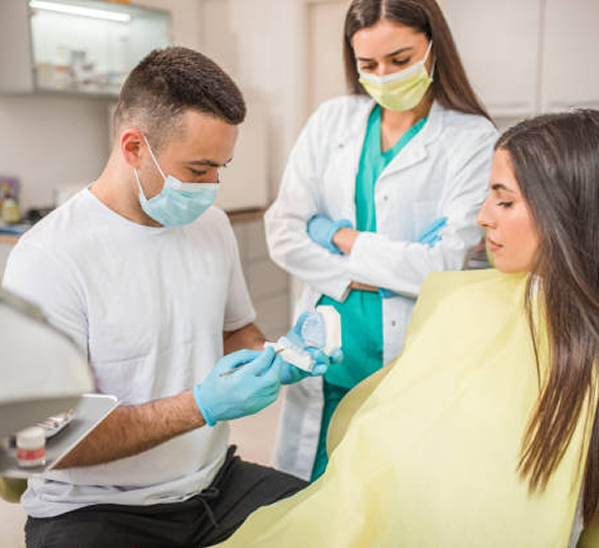
During your second visit, we prepare the abutment teeth by removing a small amount of enamel to make room for the crowns that will support your bridge. We then take detailed impressions of your teeth using advanced digital scanning technology—no messy molds required.
These precise impressions are sent to our trusted dental laboratory, where skilled technicians will craft your custom bridge to exact specifications.
3. Temporary Bridge Placement
While your permanent bridge is being fabricated (typically 2-3 weeks), we’ll place a temporary bridge to protect your prepared teeth and maintain your appearance and function. This temporary solution allows you to eat and speak normally while waiting for your final restoration.
4. Final Fitting and Cementing
When your custom bridge is ready, you’ll return for final placement. We’ll carefully check the fit, bite, and appearance, making any necessary adjustments to ensure optimal comfort and aesthetics. Once you’re completely satisfied, we’ll permanently cement the bridge in place.
Comfort measures throughout:
- Local anesthesia ensures you feel no discomfort during preparation
- Sedation options available for anxious patients
- Digital impressions eliminate gagging and discomfort
- Temporary bridges maintain your smile during fabrication
- Follow-up care to ensure your complete satisfaction
Dental Bridges vs. Implants: What's Right for You?
Both bridges and implants effectively replace missing teeth, but they have different advantages depending on your situation.
When bridges are the better choice:
- You want faster treatment completion
- You prefer non-surgical options
- Your budget is more limited
- Your adjacent teeth need crowns anyway
- You have medical conditions that complicate surgery
When implants are the better choice:
- You want the most permanent solution
- You want to preserve adjacent healthy teeth
- You need to prevent jawbone loss
- Long-term cost-effectiveness is priority
- You have good overall health for surgery
Our Manhattan dentists can help you decide the best solution based on your oral health and budget. During your consultation, we’ll honestly assess which option will serve you best and explain the pros and cons of each approach.
How Much Do Dental Bridges Cost in Manhattan?
Dental bridges represent a significant but worthwhile investment in your oral health and quality of life.
Average cost ranges:
- Traditional bridges: $2,000–$5,000 depending on materials and number of teeth
- Maryland bridges: $1,500–$3,500 (less expensive due to minimal tooth preparation)
- Cantilever bridges: $2,000–$4,500 similar to traditional bridges
- Implant-supported bridges: $6,000–$15,000+ (includes implant placement surgery)
Factors that influence price:
- Number of teeth being replaced: More pontics increase cost
- Materials used: Porcelain and zirconia cost more than metal or composite
- Type of bridge: Implant-supported bridges are more expensive due to surgical components
- Laboratory fees: High-quality labs produce superior bridges at higher cost
- Geographic location: Manhattan pricing reflects higher operating costs
- Dentist expertise: Experienced restorative dentists command higher fees but deliver better results
Insurance and financing:
Most dental insurance plans provide at least partial coverage for bridges, typically covering 50% of the cost after deductibles. We’ll verify your benefits and help you maximize your coverage.
We also offer flexible financing options and payment plans that make tooth replacement Manhattan treatment accessible. Monthly payments allow you to restore your smile without financial strain.
We offer affordable options and financing—schedule a consultation to learn more about specific costs for your situation.
Why Choose Our Manhattan Dental Office for Bridges?
When it comes to permanently restoring your smile, expertise and personalized care matter.
Over 30 Years of Restorative Excellence
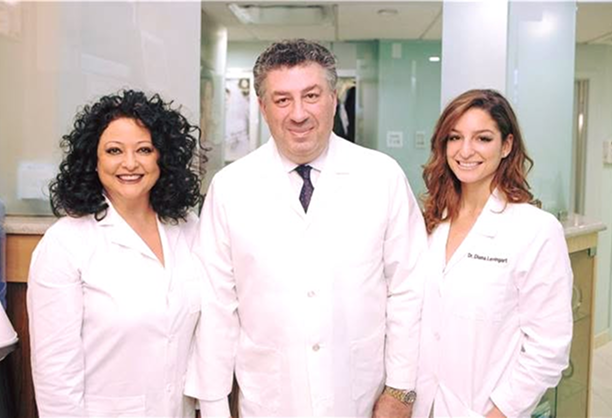
Dr. Bela and Dr. Garry Levingart have been creating beautiful, functional smiles in Manhattan for over three decades. Their extensive experience in restorative dentistry means they’ve successfully placed thousands of dental bridges, mastering the technical precision and artistic vision required for exceptional results.

Advanced Materials and Technology
We use only premium materials including high-grade porcelain and zirconia that look natural and stand up to daily use. Our digital impression technology ensures precise fit and eliminates the discomfort of traditional molds. We partner with top dental laboratories that specialize in custom restorations, ensuring your bridge is crafted with exceptional attention to detail.

Patient-Centered Approach
Dr. Garry’s philosophy—”Every person who comes through our doors is important. I want them to feel that”—guides every patient interaction. We take time to understand your concerns, explain your options clearly, and create a treatment plan that aligns with your needs and budget.
Convenient Manhattan Location
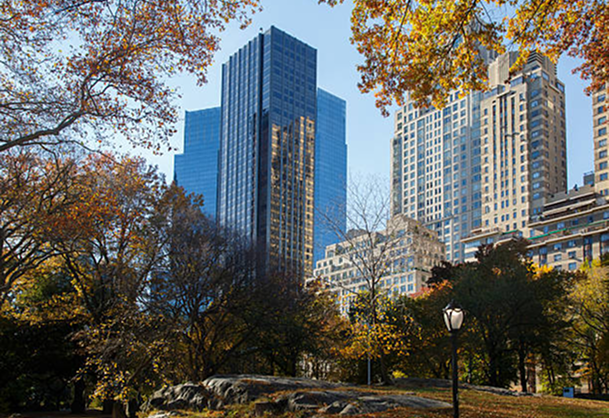
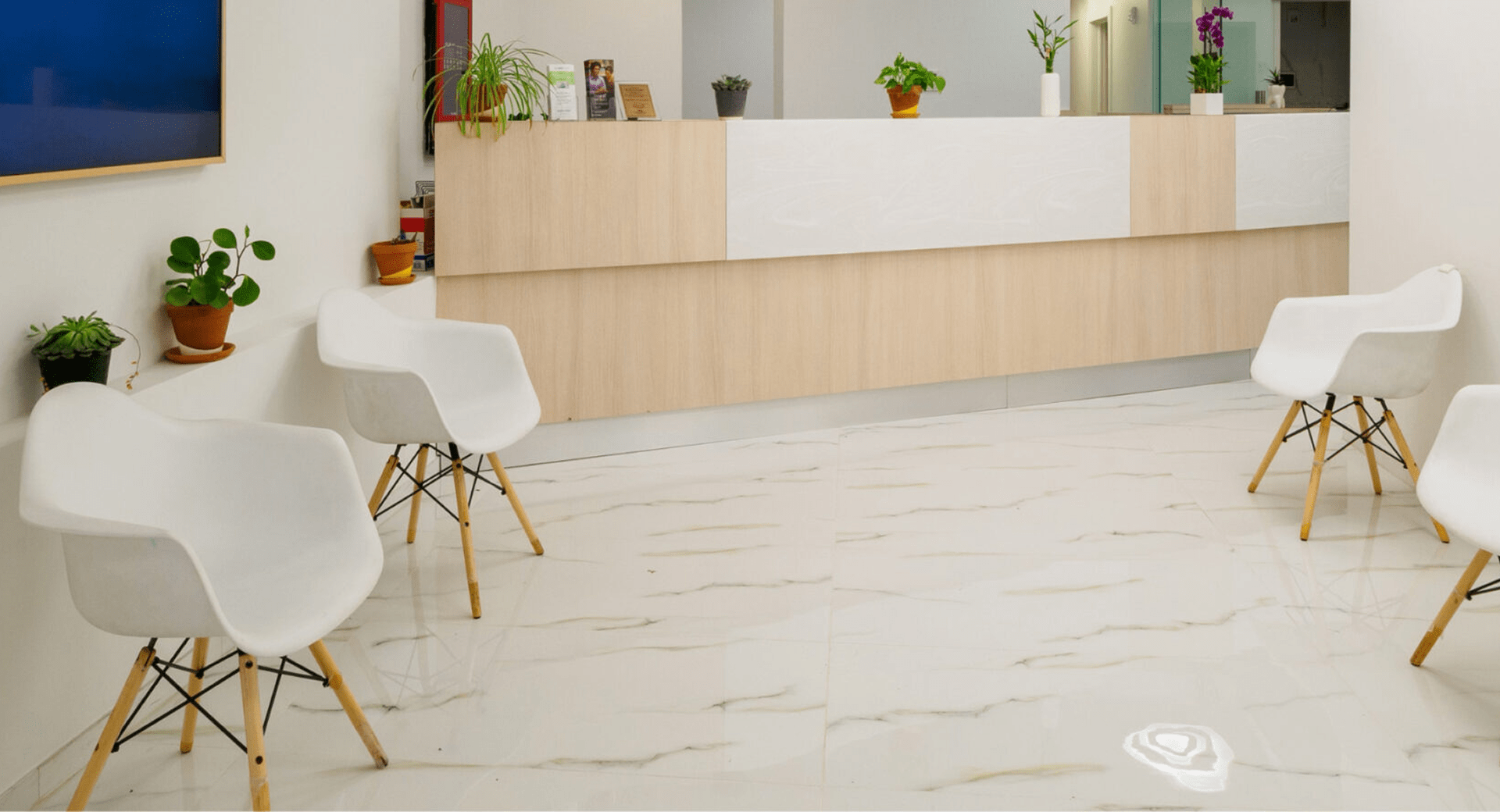
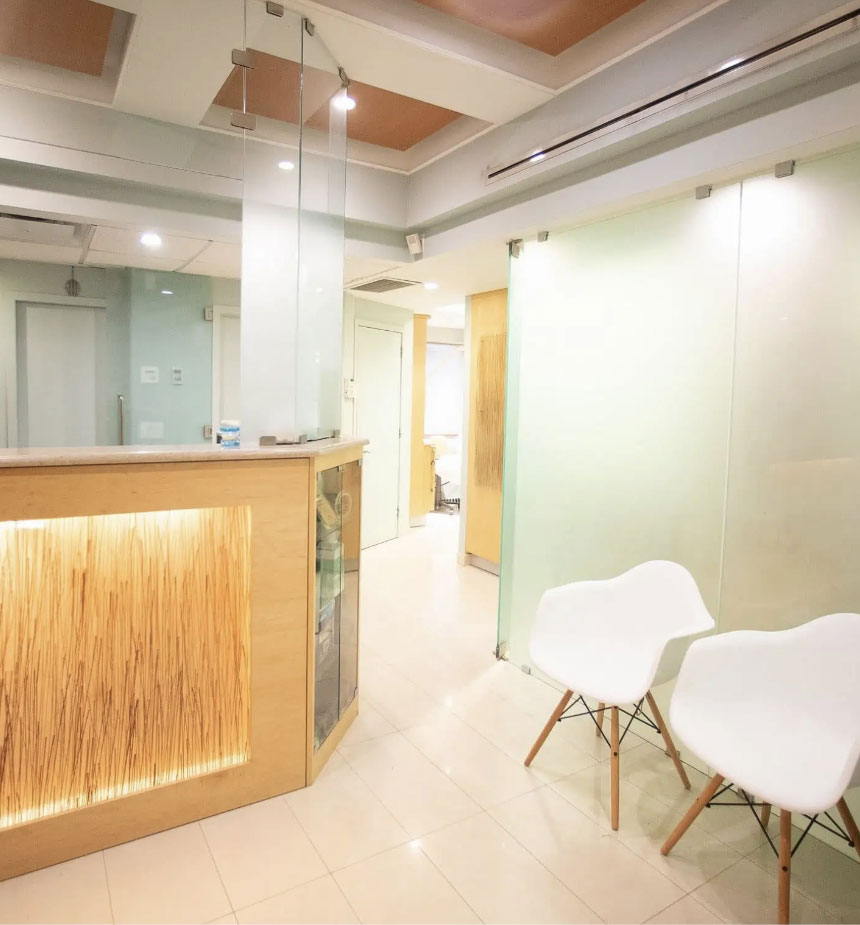
Located at 25 Central Park West, we’re easily accessible from the Upper West Side, Upper East Side, Midtown offices, and Morningside Heights. Our welcoming office provides a comfortable environment where restorative treatments feel stress-free.

Proven Success Stories
Our patients consistently achieve beautiful, long-lasting results with their dental bridges. Many have been with us for decades, trusting us with all their dental care because of the quality and care we consistently deliver.
Ready to restore your smile? Contact our Manhattan dental team at Living Art Dentistry and experience the difference that expertise and genuine care make.
FAQs About Dental Crowns in Brooklyn
Modern dentures typically last between 5 to 10 years with proper care and maintenance. Regular adjustments, professional cleaning, and good oral hygiene can extend their lifespan. Over time, changes in your gum and bone structure may require relining or replacement to maintain proper fit and function.
Modern dentures typically last between 5 to 10 years with proper care and maintenance. Regular adjustments, professional cleaning, and good oral hygiene can extend their lifespan. Over time, changes in your gum and bone structure may require relining or replacement to maintain proper fit and function.
Modern dentures typically last between 5 to 10 years with proper care and maintenance. Regular adjustments, professional cleaning, and good oral hygiene can extend their lifespan. Over time, changes in your gum and bone structure may require relining or replacement to maintain proper fit and function.
Modern dentures typically last between 5 to 10 years with proper care and maintenance. Regular adjustments, professional cleaning, and good oral hygiene can extend their lifespan. Over time, changes in your gum and bone structure may require relining or replacement to maintain proper fit and function.
Modern dentures typically last between 5 to 10 years with proper care and maintenance. Regular adjustments, professional cleaning, and good oral hygiene can extend their lifespan. Over time, changes in your gum and bone structure may require relining or replacement to maintain proper fit and function.
Other Manhattan Dental Services
At Living Art Dentistry, we offer comprehensive dental care to keep your smile healthy and beautiful.
Dentures Manhattan
TMJ Treatment in Manhattan
Dental Bridges Manhattan
Teeth Whitening in Manhattan
Dental Implants Manhattan
Full Mouth Reconstruction manhattan
Invisalign Manhattan
Laser Dentistry manhattan
Porcelain Veneers Manhattan
Root Canal Treatment Manhattan
Cosmetic Dentistry Manhattan
Periodontist manhattan
Visit our Manhattan dentist page to learn more about our comprehensive services.


Schedule Your Consult with Dr Diana Today!
Schedule your consultation with Dr Diana today. We can’t wait to meet you!
718-834-9400
Schedule Your Consult with Dr Gary or Dr Bela Today!
We can’t wait to meet you!
(212) 581-0707