

Root Canal in Brooklyn
Save Your Natural Tooth

159 Smith Street, Brooklyn, NY 11201

718-834-9400

503 Google Reviews
When you’re dealing with a severe toothache or infection, the thought of losing your tooth can be frightening. The good news? Root canal treatment offers a proven way to eliminate pain, clear infection, and save your natural tooth—all while avoiding extraction.
At Living Art Dentistry, Brooklyn residents trust our experienced team for expert root canal care that prioritizes your comfort and long-term dental health. Our Brooklyn dental office proudly serves patients from Cobble Hill, Boerum Hill, Brooklyn Heights, and Carroll Gardens. With advanced technology, gentle techniques, and sedation options available, we make root canal therapy as stress-free as possible.
Don’t let tooth pain disrupt your life. Contact our Brooklyn endodontist to schedule your appointment today and discover how we can help you keep your natural smile.
What Is a Root Canal and When Do You Need One?
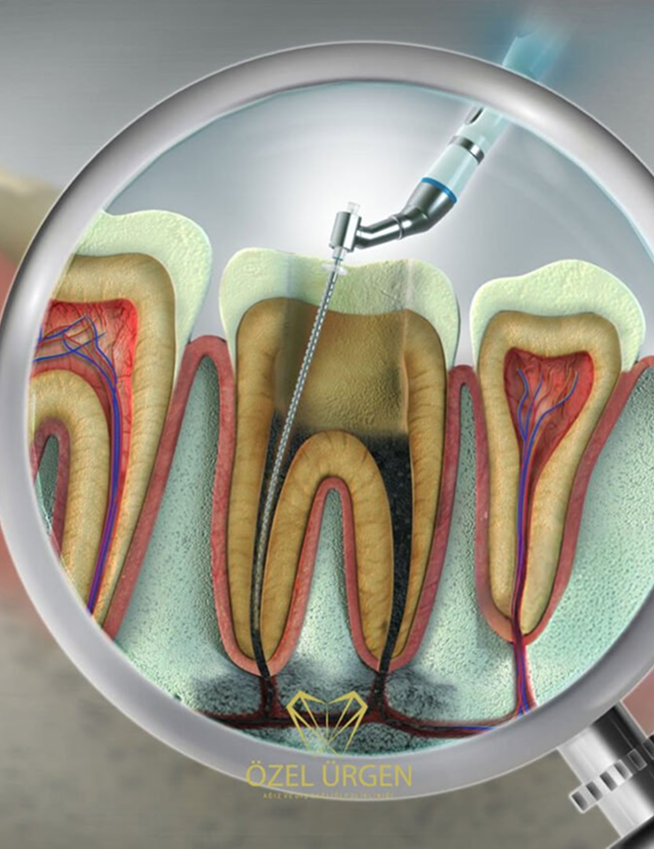
A root canal is a dental procedure designed to treat infection or damage deep inside your tooth. When the soft tissue (called pulp) inside your tooth becomes infected or inflamed—often due to deep decay, cracks, or trauma—the infection can cause severe pain and potentially spread to surrounding tissues. Root canal therapy removes the infected pulp, cleans and disinfects the inside of the tooth, then seals it to prevent future problems.
The goal is simple: save your natural tooth and restore it to full function without extraction.
Signs You Might Need a Root Canal
How do you know if you need root canal treatment in Brooklyn? Watch for these common warning signs:
- Persistent toothache: Pain that lingers or worsens, especially when chewing or applying pressure
- Sensitivity to hot or cold: Discomfort that continues even after the temperature stimulus is removed
- Swollen, tender gums: Inflammation around a specific tooth, sometimes accompanied by a small bump
- Darkening or discoloration: A tooth that appears darker than surrounding teeth may indicate internal damage
- Pimple-like bump on gums: An abscess that may drain pus, signaling infection
If you're experiencing any of these symptoms, don't wait. Early intervention can save your tooth and prevent the infection from spreading.
How Root Canals Help Save Your Natural Tooth
Many people mistakenly believe that extraction is the only option for a badly infected tooth. However, root canal therapy preserves your tooth’s structure, maintains your natural bite, and prevents neighboring teeth from shifting out of alignment.
By keeping your original tooth, you avoid the need for more complex and expensive tooth replacement options like implants or bridges. Your natural tooth, once treated and restored with a crown, can function normally for decades—often for the rest of your life.
Why Choose Our Brooklyn Root Canal Specialists?
Advanced, Painless Treatment Options
Root canals have an outdated reputation for being painful, but modern dentistry has changed everything. We use state-of-the-art technology including digital imaging to precisely diagnose and plan your treatment, along with advanced rotary instruments that make the procedure faster and more comfortable than ever before.
Our priority is your comfort. We offer multiple pain management and sedation options to ensure you feel relaxed throughout the process. Most patients are surprised to find that root canal treatment is no more uncomfortable than getting a routine filling.
Board-Certified Endodontists in Brooklyn
Our team includes highly trained specialists with extensive experience in root canal therapy and endodontics. Led by Dr. Bela and Dr. Garry Levingart, who have been serving Brooklyn for over 30 years, along with Dr. Diana Levingart who brings a holistic, patient-centered approach, we combine expertise with genuine compassion for every patient who walks through our doors.
Emergency and Affordable Root Canal Care
Dental emergencies don’t wait for convenient times. We offer emergency root canal Brooklyn services with same-day or next-day appointments when you’re in severe pain or dealing with an active infection.
We also understand that cost is a concern. That’s why we accept most major dental insurance plans and offer flexible payment options to make your treatment affordable. Our team will work with you to maximize your insurance benefits and create a payment plan that fits your budget.
Our Root Canal Process – What to Expect
Understanding what happens during treatment helps you feel confident and prepared. Here's what your root canal experience will look like at our Brooklyn practice.
Step-by-Step Overview
1. Diagnosis
Your appointment begins with a thorough examination and digital X-rays to assess the extent of infection or damage. We'll explain our findings and answer any questions you have about the procedure.
2. Numbing and Preparation
We apply local anesthesia to completely numb the area around the affected tooth. If you're anxious, we can provide sedation options to help you feel relaxed. Once you're comfortable, we place a protective rubber dam around the tooth to keep it clean and dry during treatment.
3. Removal of Infected Pulp
We create a small access opening in the tooth and carefully remove the infected or damaged pulp tissue from inside the root canals. This step eliminates the source of infection and pain.
4. Cleaning and Filling
After removing the pulp, we thoroughly clean and disinfect the inside of the tooth, then fill the empty canals with a biocompatible material called gutta-percha. This seals the space and prevents bacteria from re-entering.
5. Crown Placement
In most cases, a tooth that has undergone root canal therapy needs a crown for protection and strength. We'll either place a temporary crown the same day or schedule you for a permanent crown once the tooth has healed. The crown restores your tooth's appearance and function completely.


Aftercare and Recovery
Most patients experience only mild discomfort after their root canal, manageable with over-the-counter pain medication. Any sensitivity typically subsides within a few days as your tooth heals.
To ensure the best outcome:
- Maintain excellent oral hygiene by brushing and flossing regularly
- Avoid chewing on hard foods with the treated tooth until your permanent crown is placed
- Attend your follow-up appointments so we can monitor healing
- Contact us immediately if you experience severe pain or swelling
With proper care, your treated tooth can last a lifetime.
Root Canal vs. Extraction – Why Saving Your Tooth Matters
When faced with a severely infected or damaged tooth, you essentially have two options: root canal treatment or extraction. While extraction might seem simpler, it often creates more problems and expenses down the road.
The advantages of saving your natural tooth:
- Preserves your jawbone: Natural tooth roots stimulate the jawbone, preventing the bone loss that occurs after extraction
- Maintains proper bite alignment: Keeping all your teeth prevents neighboring teeth from shifting into gaps
- Better long-term function: Your natural tooth, once restored, functions just like it always has
- More cost-effective: Root canal plus crown is typically less expensive than extraction followed by an implant or bridge
- Avoids additional procedures: Extraction requires tooth replacement to maintain proper function and appearance
From both a health and financial perspective, saving your natural tooth through root canal therapy is almost always the better choice.
Frequently Asked Questions About Root Canals in Brooklyn
Modern root canal treatment is not painful. We use effective local anesthesia to numb the area completely, and many patients report feeling no discomfort during the procedure. In fact, the treatment actually relieves the pain you’ve been experiencing from the infection. Any mild soreness after the procedure is temporary and easily managed with over-the-counter pain relievers.
Most patients complete their Invisalign treatment in 12 to 18 months, though some cases may take less time or slightly longer depending on the complexity of the alignment issues. During your consultation, we’ll give you a personalized timeline based on your specific needs.
Most patients complete their Invisalign treatment in 12 to 18 months, though some cases may take less time or slightly longer depending on the complexity of the alignment issues. During your consultation, we’ll give you a personalized timeline based on your specific needs.
Most patients complete their Invisalign treatment in 12 to 18 months, though some cases may take less time or slightly longer depending on the complexity of the alignment issues. During your consultation, we’ll give you a personalized timeline based on your specific needs.
Most patients complete their Invisalign treatment in 12 to 18 months, though some cases may take less time or slightly longer depending on the complexity of the alignment issues. During your consultation, we’ll give you a personalized timeline based on your specific needs.
Other Brooklyn Dental Services
At Living Art Dentistry, we offer comprehensive dental care to keep your smile healthy and beautiful.
Invisalign Brooklyn
Dental Crowns Brooklyn
Dental implants Brooklyn
Dentures Brooklyn
Oral Surgeon Brooklyn
Porcelain Veneers Brooklyn
TMJ Specialist Brooklyn
Root Canal Treatment Brooklyn
Teeth Whitening Brooklyn
Laser Dentistry Brooklyn
Periodontist Brooklyn
Visit our Brooklyn dentist page to learn more about our comprehensive services.



Schedule Your Consult with Dr Diana Today!
Schedule your consultation with Dr Diana today. We can’t wait to meet you!
718-834-9400

Schedule Your Consult with Dr Gary or Dr Bela Today!
We can’t wait to meet you!
(212) 581-0707